High efficiency
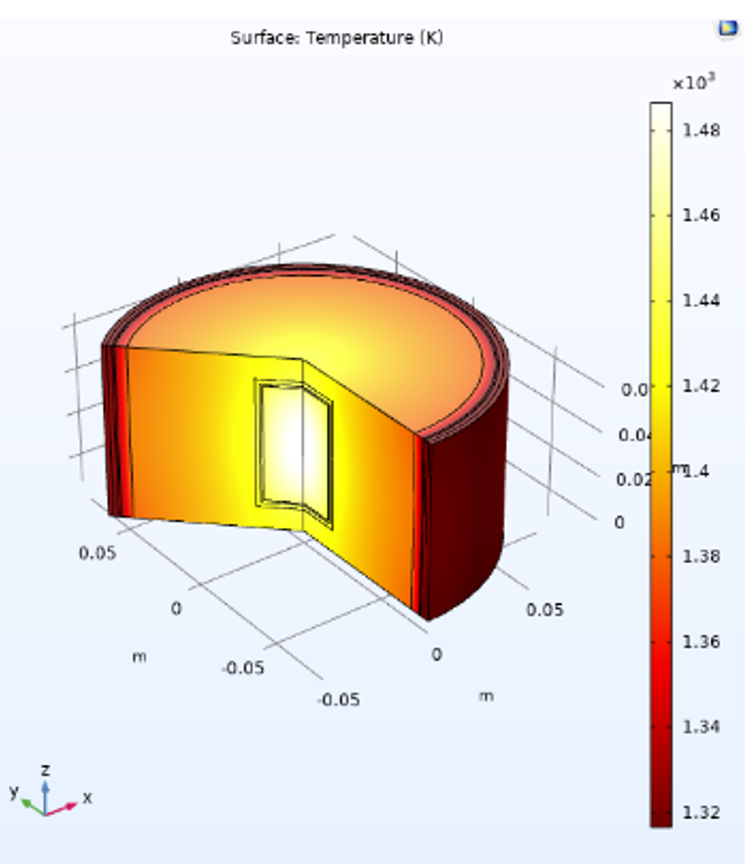
Up to 40% TPV conversion with state-of-the-art BSR (back surface reflector) photon recovery.

Radioisotope generators for data center power, from single modules to multi-engine systems.
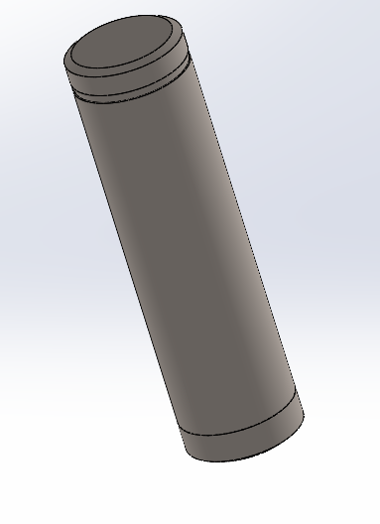
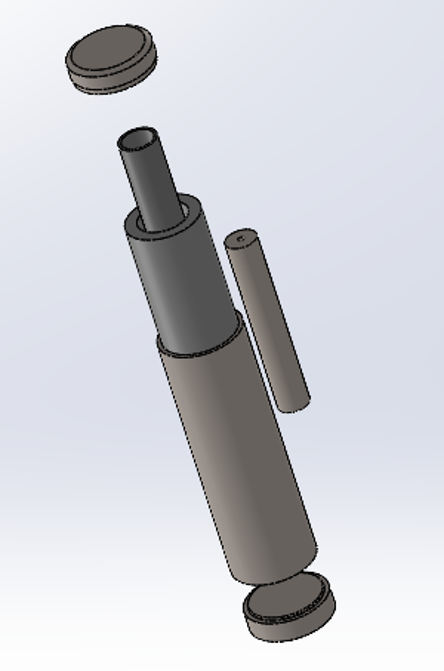
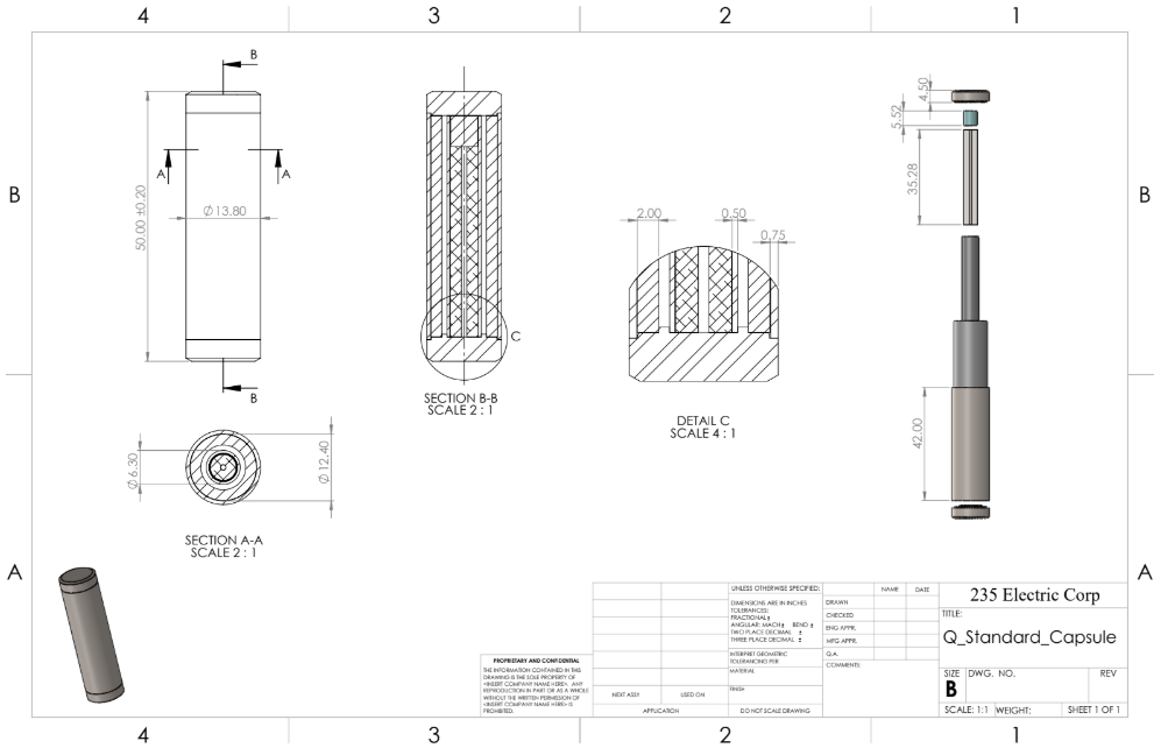
At the core of each generator is a Co-60 capsule, a commercially available, high energy-density heat source in standard format. We leverage its abundance and established supply chain as the fuel that drives our modules, converting decay heat to electricity through thermophotovoltaic (TPV) cells.
Passive isotope decay is simpler to manage than fission, with no moving parts in the generation path. Modules deliver continuous baseload power adjacent to or outside the data hall without grid-only or intermittent renewable constraints.
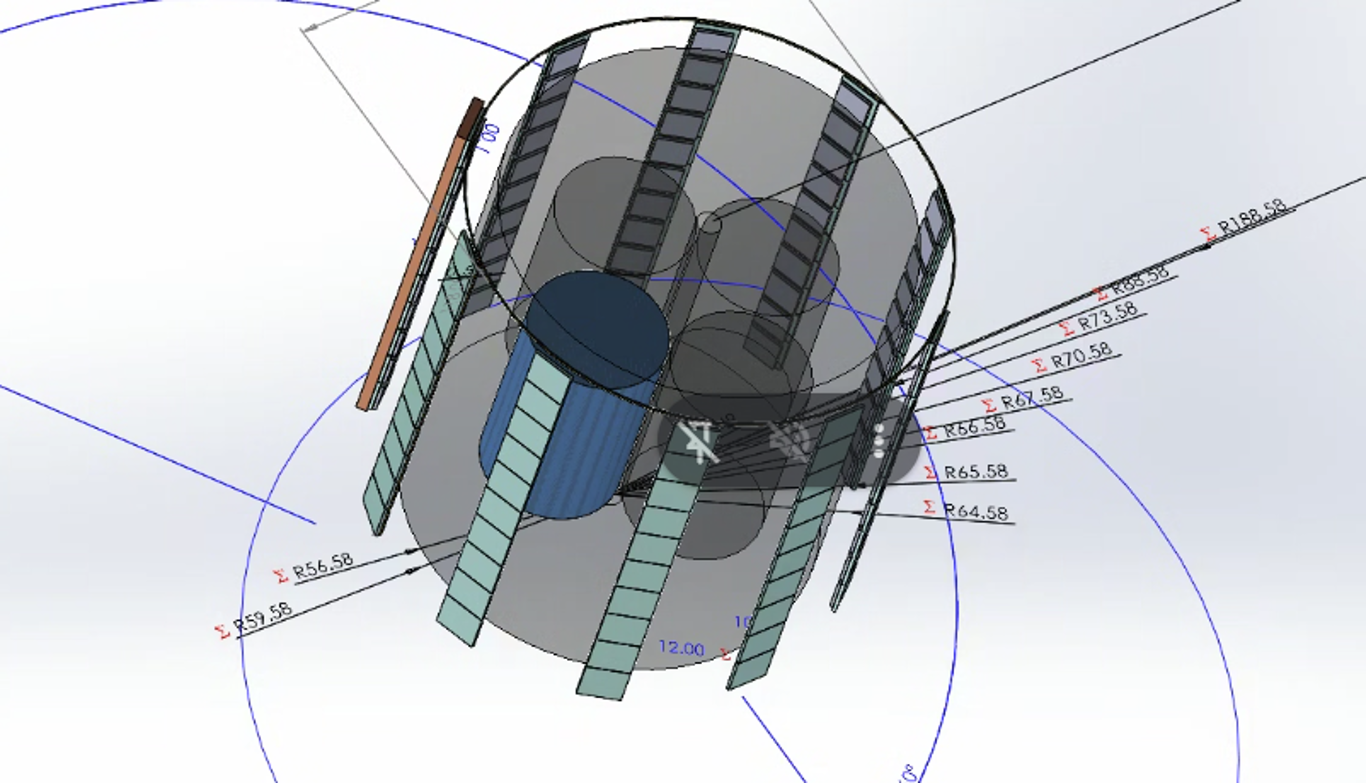
Co-60 is the fuel inside our generators, a commercially available, high-density heat source that powers every module we deploy.
Note: We are not selling isotope capsules as a standalone product.
Up to 40% TPV conversion with state-of-the-art BSR (back surface reflector) photon recovery.
Semiconductor generation with no turbines, steam cycles, or mechanical failure modes.
28+ years of operational life aligned with the Co-60 isotope half-life cycle for predictable long-term output planning.
Engines deploy side by side with standard electrical interfaces and no custom plant build.
Outdoor placement at 85°C surface temperature without added data hall cooling.
0 dB at generation, 0 g CO₂/kWh on site, with no fuel trucks or combustion exhaust.
Our isotopic generators outperform alternatives on over 90% of metrics on-grid and 100% of metrics off-grid.
| Metric | Isotopic(235 Electric) | Grid power | Solar / Wind | Natural gas | Diesel generator | Hydrogen fuel cell |
|---|---|---|---|---|---|---|
| Power density(W/sq-ft) | Very compact(< 10) | N/A | Wide area(1200++) | Adequate(40) | Fair(50) | Adequate(40) |
| Availability | 99.9999% | 99% | 20–30%(intermittent) | 95–97% | 85% | 98%(fuel limited) |
| Operational life | 28+ years | N/A | 5–10 years | 5–8 years | 3–5 years | 5–10 years |
| Refueling cycle | None | Continuous | None | Continuous(pipe or tank) | 7–14 days | 30–60 days |
| Carbon emissions(g CO₂/kWh) | 0 | 350–500 | 20–50 | 450–600 | 700+ | 0–50 |
| Acoustic profile | 0 dB | 40 dB(repetitive switch) | 50 dB(repetitive switch) | 60–70 dB | Loud(80+ dB) | 50 dB(fans) |
| Heat recovery | Zero | Zero | Zero | High(exhaust) | Moderate | Moderate(low grade) |
| Scalability | Modular(simple) | Unlimited | High land/limited | High/linear | High/linear | Modular |
| Maintenance | 0(no moving parts) | 0(no moving parts) | 0(no moving parts) | Fuel movement | Regular(24 hrs) | Regular(24 hrs) |
On-grid: Our product outperforms alternatives on more than 90% of metrics. Off-grid: Our product outperforms alternatives on 100% of metrics.